

Technological innovation is reshaping the landscape of gold mining, leading to significant enhancements in efficiency, safety, and sustainability.
Advancements such as automation, remote sensing, and data analytics are revolutionizing traditional mining practices.
This article examines the evolution of gold mining, highlighting the role of modern technology and its profound impacts on the industry.
Explore how these innovations are not only transforming operations but also addressing environmental concerns and influencing the future of gold mining.
Key Takeaways:
The Impact of Technological Innovation on Gold Mining
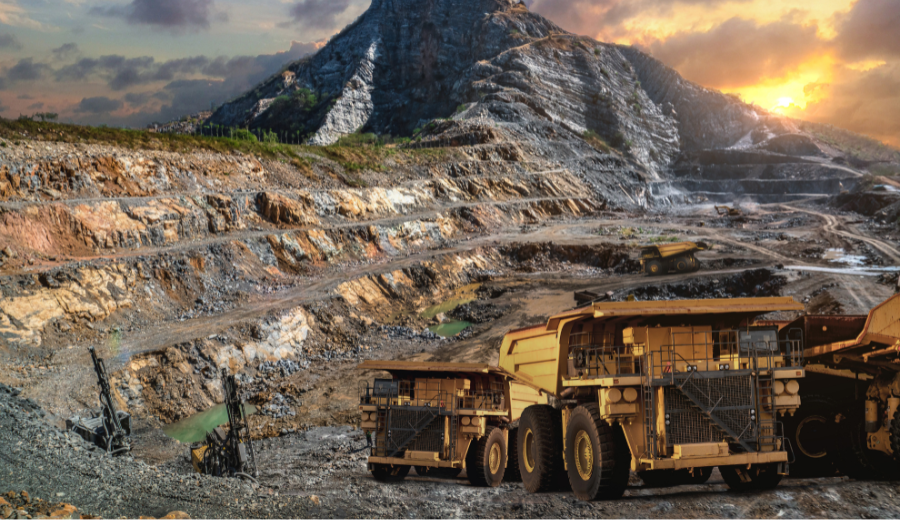
The impact of technological innovation on gold mining presents a multifaceted discussion that involves various advancements aimed at enhancing efficiency and productivity while addressing critical environmental concerns.
By integrating new technologies such as automation, data analytics, and remote sensing, the mining industry is undergoing a transformation that not only boosts operational performance but also emphasizes sustainable practices to mitigate pollution and habitat destruction.
These innovations are designed to improve worker well-being by creating safer work environments through advanced safety measures and smart machinery. The push toward modernizing gold extraction processes is essential for maintaining both economic viability and ecological balance, making it imperative for mining companies to adapt to these changes.
Key Takeaways
The key takeaways from the study of technological innovation in gold mining provide valuable insights into how advancements are reshaping the industry.
By leveraging cutting-edge technologies such as automation, artificial intelligence, and advanced data analytics, your company can significantly enhance operational safety and efficiency. These improvements not only minimize risks for workers but also streamline processes to ensure resources are utilized more effectively.
Additionally, sustainable practices are being integrated through eco-friendly technologies, which are crucial for reducing the environmental footprint associated with mining activities. Collectively, these innovations are guiding the gold mining sector toward a more responsible and productive future, aligning economic growth with environmental stewardship.
Understanding Gold Mining

Understanding gold mining requires you to examine the various methods and practices used to extract gold from the earth, as well as the historical context surrounding these practices.
The mining industry has evolved significantly over the years, transitioning from traditional methods such as panning and underground mining to more advanced techniques that incorporate technology for improved efficiency and productivity.
This evolution underscores the importance of addressing challenges such as environmental impact, worker safety, and sustainability in contemporary gold extraction practices.
Definition and Overview
Gold mining refers to the process of extracting gold from the earth, and it can be executed through various methods depending on the location, geology, and available technology.
There are primarily three extraction methods utilized in the industry, each tailored to specific environmental conditions and types of deposits:
- 1Placer mining, which is often employed in riverbeds or alluvial areas, involves sifting through sediment to locate gold nuggets and flakes.
- 2Hard rock mining, on the other hand, targets gold embedded in bedrock and requires the construction of tunnels and shafts for access.
- 3The use of chemicals such as cyanide and mercury has become prevalent, facilitating the extraction of gold from lower-grade ores more efficiently.
The significance of technology in this field cannot be overstated. Advancements in geological surveying, drilling equipment, and separation processes enhance extraction efficiency, increase yield, and minimize environmental impact during mining operations.
Historical Context of Gold Mining
The historical context of gold mining presents a rich tapestry of human endeavor, where traditional methods have laid the foundation for modern techniques and technology.
You can observe the journey from the rudimentary tools used by ancient civilizations, such as the simple hand-held pan employed by prospectors in riverbeds, to the advanced machinery that extracts gold from deep within the earth. This evolution has been truly remarkable.
In ancient Egypt, miners relied on straightforward methods, utilizing fire to break apart rock and unearth precious materials, demonstrating ingenuity even with limited resources.
As technology progressed, particularly during the Industrial Revolution, innovations like steam power and eventually mechanized equipment revolutionized the extraction processes. This significantly increased the efficiency and yield of gold mining operations. Key milestones, such as the introduction of cyanide leaching in the late 19th century, marked a turning point in the industry, enabling the extraction of gold from ores that were previously considered unprofitable.
Today, gold mining integrates sophisticated techniques, including automated drilling, artificial intelligence, and sustainable practices designed to reduce environmental impact. This reflects a continuous commitment to evolving methods while honoring the deep-rooted traditions of this ancient craft.
The Role of Technology in Gold Mining

The role of technology in gold mining is becoming increasingly vital, offering tools and systems that enhance efficiency, productivity, and safety in your mining operations.
As the industry faces heightened scrutiny regarding its environmental impact and worker safety, you will find that technological advancements such as automation and data analytics are being integrated to streamline operations and mitigate risks.
Innovations in machinery, digital tools, and monitoring systems are transforming how gold mining companies operate, allowing you to optimize resource extraction while adhering to sustainable practices.
The Importance of Technological Advancements
Technological advancements are vital in modern gold mining, significantly improving safety measures and operational efficiency.
With the introduction of automated machinery and real-time data analytics, mining operations can effectively monitor hazards before they escalate, ensuring the safety of workers. These innovations not only foster a safer working environment but also reduce the environmental impact associated with traditional mining methods.
For example, implementing advanced water management systems aids in resource conservation, while sophisticated extraction techniques minimize ground disturbance and waste generation. As a result, the overall productivity of these operations has experienced a remarkable increase, enabling more gold to be extracted responsibly while respecting the planet's ecosystems.
Comparison of Traditional vs. Modern Mining Techniques
The comparison between traditional methods and modern mining techniques highlights significant differences in efficiency, productivity, and environmental considerations in gold extraction.
While traditional mining often depended heavily on manual labor and basic tools, modern techniques leverage advanced machinery and technology to significantly enhance extraction processes. Traditional approaches, though deeply rooted in cultural practices, frequently resulted in lower yields and posed risks to worker safety due to hazardous conditions.
In contrast, contemporary methods, such as automation and data analytics, not only improve productivity but also reduce environmental degradation through better waste management and minimized land disturbance.
However, it is important to note that these modern techniques can be capital-intensive, which may present challenges for smaller operations, and there are valid concerns regarding potential job losses in communities that have traditionally relied on manual mining practices.
Technological Innovations in Gold Mining
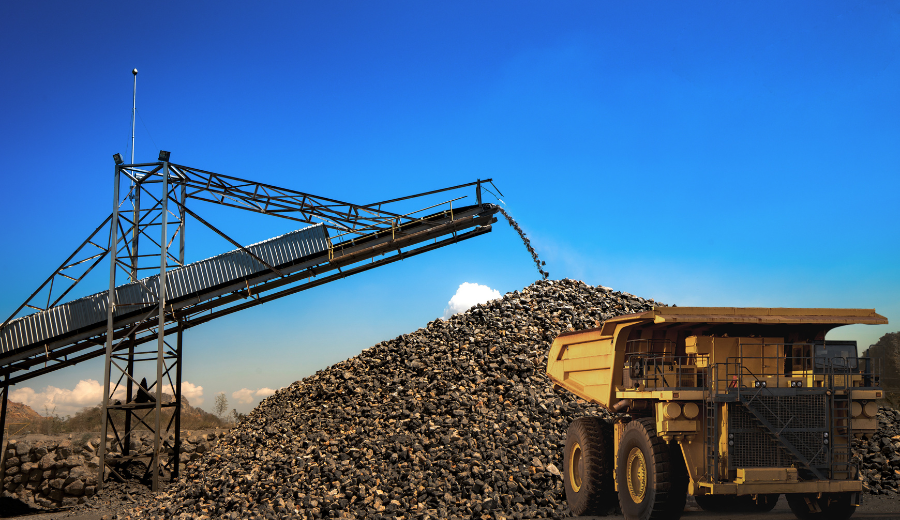
Technological innovations in gold mining involve a broad spectrum of advancements that are transforming the industry's landscape. These developments emphasize key areas such as automation, robotics, and data analytics.
Automation and Robotics
Automation and robotics are increasingly significant in gold mining, greatly enhancing operational efficiency and productivity.
By integrating cutting-edge technologies such as autonomous drilling systems and robotic haul trucks, mining companies can streamline their operations and minimize human error. The utilization of drones for surveying and mapping provides a real-time view of mining sites, enabling more informed decision-making. Additionally, advanced sensor technology plays a crucial role in monitoring equipment health proactively, ensuring timely maintenance and reducing downtime.
These innovations not only improve the bottom line but also contribute to safer working environments, as robots take on hazardous tasks, protecting workers from potential dangers associated with mining activities.
Artificial Intelligence and Machine Learning
Artificial intelligence (AI) and machine learning are pivotal in transforming gold mining operations, allowing you to leverage data analytics for more well-considered choices.
These technologies enable you to analyze vast amounts of geological data, identifying potential gold deposits with greater accuracy than traditional methods. By utilizing predictive modeling, you can optimize extraction processes, minimizing waste and maximizing yield.
AI-driven automation streamlines your operations, reducing the reliance on manual labor and ultimately lowering operational costs. Additionally, implementing machine learning algorithms aids in monitoring equipment performance, predicting maintenance needs, and preventing costly downtimes.
These innovations also play a significant role in mitigating the environmental impacts of mining, facilitating better resource management and sustainable practices that protect surrounding ecosystems.
Remote Sensing and Geographic Information Systems
Remote sensing and geographical information systems (GIS) are critical technologies in gold mining, offering valuable insights into mineral exploration and resource management.
These advanced tools enable mining companies to collect and analyze extensive datasets from aerial and satellite imagery, enabling them to pinpoint promising exploration areas without relying on extensive ground surveys. By integrating topographic, geological, and environmental data, these technologies support effective operational planning, assisting companies in optimizing resource extraction while minimizing ecological impact.
Additionally, remote sensing plays an essential role in environmental monitoring, allowing stakeholders to detect changes in land use and evaluate potential risks associated with mining activities. This capability ensures compliance with regulations and promotes sustainable practices within the industry.
Data Analytics and Predictive Modeling
Data analytics and predictive modeling are transforming gold mining by providing insights that enhance efficiency and inform your decision-making processes.
These advanced techniques enable mining companies to analyze extensive geological and operational data, allowing you to identify patterns that highlight the most promising areas for exploration. Through predictive modeling, your organization can forecast future production rates, assess the likelihood of ore deposits, and determine the optimal timing for extraction activities.
This proactive approach improves operational efficiency by minimizing wasted resources and maximizing output, ultimately resulting in significant cost savings and increased productivity. By harnessing data analytics, you can monitor equipment health, anticipate maintenance needs, and streamline processes, ensuring that every aspect of your operation runs smoothly and effectively.
Use of Drones and Autonomous Vehicles
The use of drones and autonomous vehicles in gold mining signifies a substantial technological advancement that enhances operational efficiency and safety.
These innovations enable precise surveying of large mining sites, allowing for accurate mapping and resource analysis without relying on labor-intensive methods. With their capability to cover extensive areas rapidly, drones facilitate real-time data collection that can be seamlessly integrated into mining operations. Autonomous vehicles play a crucial role in monitoring environmental conditions and equipment status, thereby reducing human exposure to hazardous situations.
By automating repetitive tasks, these technologies not only streamline processes but also significantly minimize the risk of accidents, ensuring a safer workplace for everyone involved.
The Impacts of Technological Innovation on Gold Mining

The impacts of technological innovation on gold mining are significant, resulting in enhanced efficiency and productivity, as well as a stronger emphasis on environmental sustainability and safety measures.
Increased Efficiency and Productivity
Increased efficiency and productivity in gold mining are direct outcomes of integrating modern technologies into traditional practices.
These advancements have streamlined operations from exploration to extraction. For example, geophysical data analysis tools can now process vast amounts of geological data rapidly, enabling you to locate mineral deposits with remarkable precision. Automated drilling systems have also significantly reduced the time required to reach target depths, achieving results that are up to 30% faster in some cases. Additionally, the integration of real-time monitoring systems enhances decision-making, allowing operators to adapt quickly to changing conditions.
Collectively, these innovations not only lower operational costs but also improve overall yield, showcasing the transformative impact of technology in optimizing gold mining efforts.
Enhanced Safety Measures
Enhanced safety measures in gold mining are increasingly driven by technological advancements aimed at improving worker well-being.
These innovations include the integration of wearable technology that monitors vital signs and environmental conditions, alerting workers to potential hazards before they escalate. The use of automated machinery minimizes the need for human presence in high-risk areas, thereby reducing the chances of accidents. Drones equipped with high-definition cameras and remote sensing capabilities can inspect mining sites from above, ensuring that ground conditions are safe without putting anyone in danger.
Data analytics plays a crucial role in predicting and mitigating hazards, allowing for proactive responses to emerging risks. Collectively, these strategies not only enhance safety but also foster a culture of health and security within the industry.
Environmental Sustainability and Reduced Impact
Environmental sustainability and impact reduction are essential considerations in modern gold mining, driven by technological innovations.
These advancements have resulted in more efficient methods that not only minimize pollution but also improve habitat preservation. Cutting-edge technologies allow mining companies to closely monitor emissions, significantly reducing the discharge of harmful substances into surrounding ecosystems. Techniques such as cleaner processing methods and responsible waste management are crucial in lowering the ecological footprint.
By adopting sustainable extraction practices, the industry can protect vital habitats from degradation while ensuring that resources are utilized responsibly, thereby fostering a balance between economic growth and environmental stewardship.
The Future of Gold Mining Technology
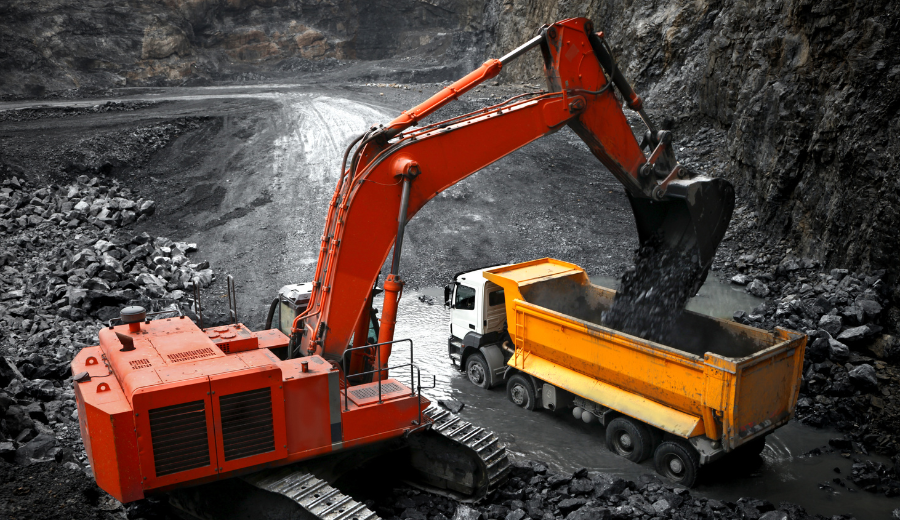
The future of gold mining technology presents a promising outlook, marked by emerging trends that focus on enhancing efficiency, safety, and sustainability within the industry.
By adopting these advancements, you can contribute to a more responsible and effective mining operation.
Emerging Trends and Opportunities
Emerging trends and opportunities in gold mining technology indicate a shift towards more innovative and sustainable practices. As the industry evolves, you will notice a significant emphasis on adopting advanced technologies such as artificial intelligence, machine learning, and automated systems. These innovations not only enhance operational efficiency but also minimize environmental impact.
You should also recognize that companies are increasingly prioritizing sustainable mining techniques, focusing on reducing water consumption and energy use to align with global environmental standards. The rise of remote sensing and data analytics is revolutionizing exploration methods, allowing for more precise targeting of mineral deposits.
These transformations promise improved profitability and create opportunities for new investments and partnerships, ultimately reshaping the landscape of the gold mining sector.
Challenges Facing Technology Adoption in Gold Mining
Challenges associated with technology adoption in gold mining present significant barriers to progress, impacting both efficiency and safety measures.
These hurdles are multifaceted, with resistance to change being one of the most prominent issues. Many workers and management teams often find themselves accustomed to traditional practices and may approach new technologies with skepticism, fearing that these advancements could disrupt their established workflows.
The financial implications of adopting new technologies cannot be overlooked. The initial costs of implementing advanced solutions such as automation, data analytics, and safety monitoring systems can be daunting, especially for smaller mining operations.
Furthermore, even when funds are allocated for new technology, there is a critical need for comprehensive training programs to ensure that staff can effectively utilize these advancements. Without addressing these challenges, the gold mining industry may struggle to fully harness the benefits that modern technology has to offer.
Collaboration and Knowledge Sharing in Technological Development
Collaboration and knowledge sharing are vital components of technological development in gold mining, fostering innovation and efficiency. These practices are essential not only for enhancing operational processes but also for ensuring compliance with safety standards and environmental regulations.
By pooling resources and expertise, mining companies can effectively engage with technology developers to implement cutting-edge solutions that streamline operations. Regulatory bodies play a crucial role in this ecosystem by providing guidelines that encourage sustainable practices.
When companies, innovators, and regulators collaborate, they create a synergistic environment that drives advancements in extraction technologies and promotes best practices that benefit the entire industry landscape.
Frequently Asked Questions

Frequently asked questions about gold mining technology address the key advancements, impacts, and implications of these innovations. Understanding these elements is essential for professionals in the industry to adapt and thrive amidst evolving technologies.
What are the main technological advancements in gold mining?
The main technological advancements in gold mining that you should be aware of include automation, artificial intelligence, and data analytics, each contributing to improved efficiency.
Automation has significantly streamlined operations, reducing the reliance on manual labor and allowing for more precise control of mining equipment. With the integration of artificial intelligence, you can analyze vast amounts of geological data to predict ore locations, which minimizes exploration costs and maximizes yield. Data analytics is also crucial for monitoring environmental impacts, enabling your company to adhere to regulations while enhancing safety measures.
Collectively, these innovations not only boost productivity but also help lower operational costs, ultimately transforming the gold mining industry into a more sustainable and profitable venture.
How does technology affect the environmental footprint of gold mining?
Technology has a profound impact on the environmental footprint of gold mining by facilitating the adoption of sustainable practices and minimizing pollution.
Innovations such as automation and artificial intelligence are revolutionizing traditional mining methods, allowing operators to optimize resource extraction while simultaneously reducing energy consumption. Advanced monitoring systems enable the identification of potential environmental hazards in real-time, which permits prompt action to mitigate any adverse effects.
The increasing implementation of renewable energy sources, including solar and wind power, is contributing to a more sustainable operational framework. By leveraging these technologies, the industry not only enhances efficiency but also reinforces its commitment to ecological stewardship, which is essential for the future of mining practices.
What are the implications of technology on job availability in the gold mining sector?
The implications of technology on job availability in the gold mining sector are complex, as automation may displace certain roles while simultaneously creating new opportunities.
As mining companies increasingly adopt advanced technologies such as artificial intelligence, robotics, and data analytics, the employment landscape is evolving significantly. While traditional roles that rely heavily on manual labor may decline, there is a growing demand for skilled professionals who can manage, maintain, and optimize these advanced systems.
These technological advancements can lead to safer working environments and improved operational efficiency, ultimately making the mining sector more attractive to a new generation of workers. This evolving dynamic highlights the industry's need to navigate the dual challenge of minimizing job loss while promoting the growth of new, technology-focused positions.
Summary of Key Points
The summary of key points highlights the transformative effects technology has on gold mining, emphasizing efficiency, safety, and environmental sustainability.
These advancements include the adoption of automated machinery and sophisticated data analytics, which enhance extraction processes and reduce operational risks. The ongoing integration of sustainable practices reflects the industry's commitment to minimizing its ecological footprint while maximizing output.
Innovations such as real-time monitoring systems are becoming essential in detecting potential hazards, thereby ensuring the well-being of workers. By harnessing these technologies, the industry not only optimizes production but also establishes a standard for responsible resource extraction, paving the way for a more sustainable future in gold mining.
Final Thoughts on the Future of Gold Mining
In conclusion, the future of gold mining looks promising, driven by ongoing technological advancements focused on sustainability and efficiency that are set to transform the industry.
Innovations such as automated extraction processes, real-time data analytics, and eco-friendly extraction methods are poised to revolutionize operations. These advancements not only improve yield but also emphasize reducing environmental impact, making gold mining a more viable option for future generations.
However, the path forward presents its own set of challenges. As the demand for gold continues to rise, companies must address issues such as regulatory pressures, fluctuating market prices, and the need to maintain a social license to operate.
Balancing profitability with responsible environmental stewardship will be essential, highlighting the importance of mining practices that align with sustainability principles. By adopting holistic approaches that integrate community engagement and technological adaptation, the industry can achieve future success while protecting the planet's resources.
Frequently Asked Questions
What is the impact of technological innovation on gold mining?
The impact of technological innovation on gold mining has been significant, with advancements in technology leading to increased efficiency, safety, and profitability in the industry.
How has technological innovation changed the way gold is mined?
Technological innovations, such as automated machinery and digital monitoring systems, have allowed for more precise and efficient extraction of gold from mines.
What are some specific examples of technological innovations in gold mining?
Some specific examples of technological innovations in gold mining include the use of drones for surveying and mapping, advanced drilling techniques, and the implementation of artificial intelligence in mining operations.
Has technological innovation had a positive or negative impact on the environment in gold mining?
Overall, technological innovation in gold mining has had a positive impact on the environment. By reducing the need for manual labor and using more efficient methods, mining companies are able to minimize their environmental footprint.
How has the use of technology improved safety in gold mining?
The use of technology has greatly improved safety in gold mining by eliminating the need for workers to enter dangerous areas, providing real-time data on potential hazards, and allowing for remote operation of equipment.
What is the future outlook for technological innovation in gold mining?
The future outlook for technological innovation in gold mining is promising, with continued advancements in automation, data analysis, and sustainability expected to drive further improvements in efficiency and safety in the industry.